
How House Movers Safely Handle Heavy Items During Your Move
- The Hidden Risks of Not Using Professional House Movers
- What Professional House Movers Bring To The Job
- How to Prepare Common Problematic Move Items
- How House Movers Protect Your Home While Moving Large Objects
- Techniques House Movers Use To Prevent Damage
- Why Hiring Professional House Movers Is Safer Than DIY
- What To Look For When You Hire House Movers
- When DIY Can Make Sense
- A Practical Way To Decide
- Choose Allegiance Van Lines as Your Professional House Movers
If you are weighing whether to move your big belongings yourself or bring in professionals, there’s a lot to consider. Heavy furniture, big appliances, and specialty items look manageable until you try to turn a corner, clear a staircase, or load a truck. This article explains how house movers handle heavy items safely, why that matters for your belongings and your home, and how to decide when hiring pros is the right choice for you.
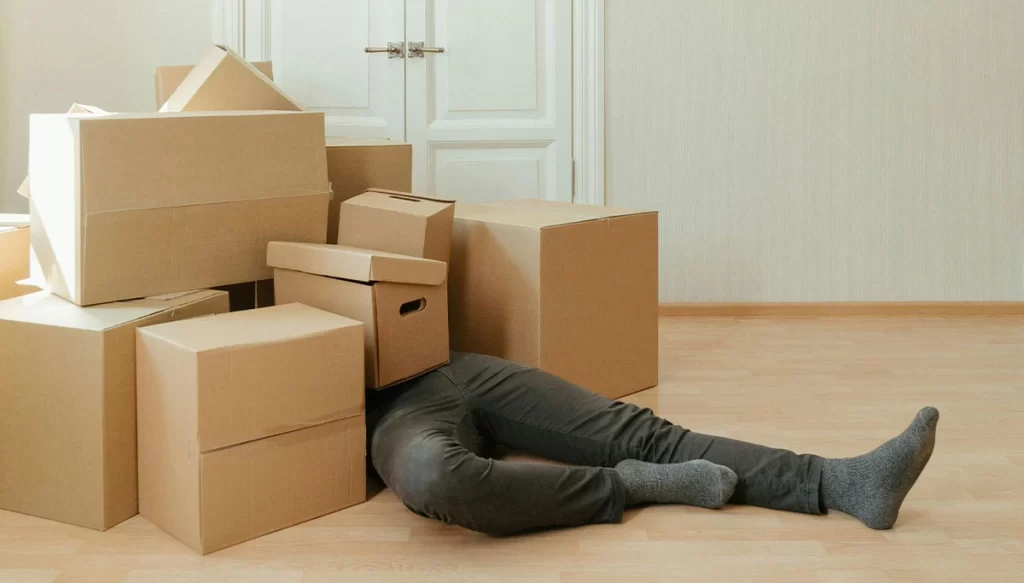
DIY moves often start with optimism and can end with sore backs, scuffed walls, and broken belongings. The bill for property damage can rack up quickly when a fridge or dresser bumps a door frame or scratches on a hardwood floor. A single damaged item or repair bill can erase any savings you may have made from doing it yourself.
Even more to consider is the risk to yourself and others. Most injuries happen because people lift with poor technique, underestimate weight, or lose control on stairs. Lifting with poor technique can put strain on your joints and back, as well as risk muscle strain and torn ligaments. Underestimating the weight could cause you to drop it on yourself, risking severe foot injury. Losing control on the stairs could lead you to become one of the million people who injure themselves every year on the stairs.
Professional house movers reduce these risks by controlling variables that DIY efforts cannot. While you might move once a year, they’re moving every single day. They know how to plan the route, what the right tools are, coordinate roles, and move deliberately. That process is what protects people, items, and property.
What Professional House Movers Bring To The Job
Training and teamwork. Crews practice proper lifting, communication, and spotting. They know how to pivot, tilt, and clear tight angles without scraping paint or twisting a frame.
Specialized equipment. Pros use four-wheel dollies, appliance hand trucks, lifting straps, sliders, walk boards, and ramps. The goal is to roll and glide more than lift. When rolling is not possible, straps distribute weight across stronger muscle groups to reduce strain and improve control.
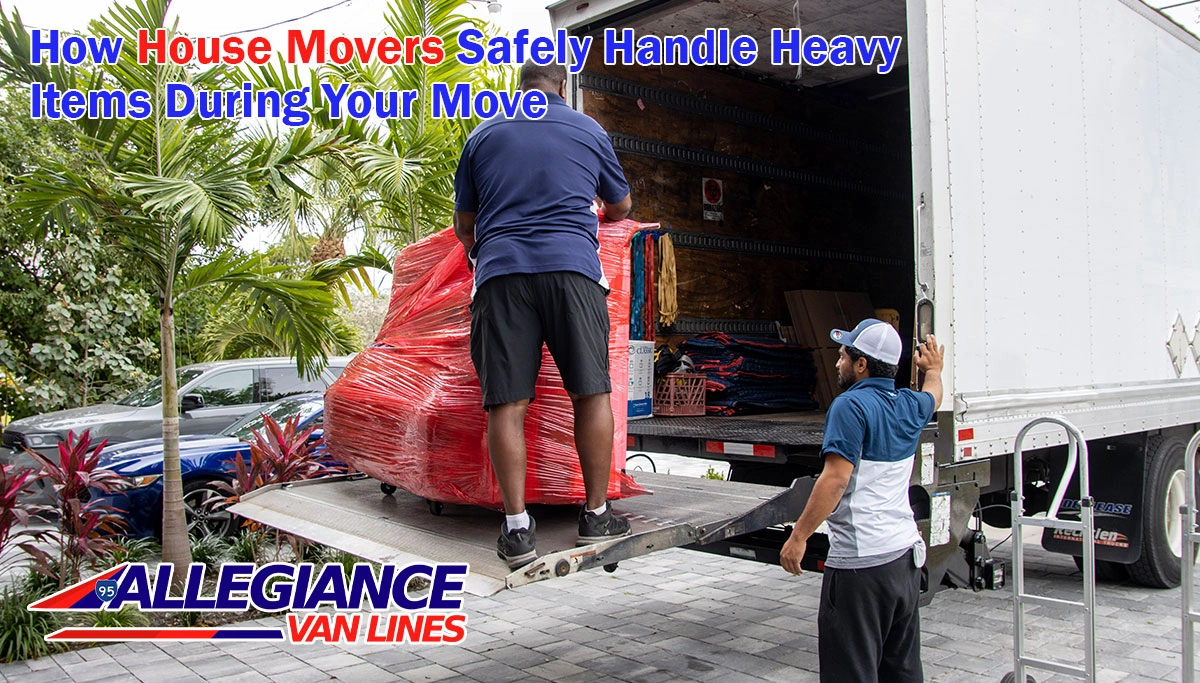
Protective packing. Reputable house movers provide professional packing and wrapping of furniture. Large items are pad wrapped, then sealed with shrink wrap for added protection and due care. This step creates a soft barrier between your items and everything they pass.
Disassembly and reassembly. Beds, sectionals, dining tables, and gym equipment are broken down into manageable pieces, labeled, and reassembled at the new home so everything fits and functions as before.
Truck loading that locks items in place. A professional load is built like a puzzle. Heavy items are placed low and secured with straps, while lighter or fragile pieces are braced so nothing shifts in transit.
How to Prepare Common Problematic Move Items

Here are a few ways you can prepare various items for moving.
Large Appliances
Refrigerators and freezers should be defrosted and dried at least a day before the move. Doors are secured so they do not swing open. Washing machines are drained and, when required by the model, the drum is stabilized.
Dryers and dishwashers are disconnected, cords and hoses are coiled and taped, and racks are secured. Gas stoves require shut-off and safe disconnection. Communicate with your movers about moving large items; they may be willing to do some of these tasks for you, but do not expect them to do everything, especially without additional charge.
Large Furniture
Sofas and sectionals can be wrapped to prevent damage to the walls and the furniture themselves. Mattresses should be cleared and taken off their frames. If you can, disassembling your frame makes it much easier to move. Dressers travel lighter if you remove the drawers. If you can, it helps to protect your bookcases and cabinets by removing the shelves and even partial disassembly to reduce stress on joints.
Specialty and Unusually Heavy Items
Pianos, pool tables, gun safes, hot tubs, and large gym machines need added planning, special dollies or skids, and careful path protection. Some jobs call for a crane if access is constrained. Always make sure you communicate with your house movers about the circumstances surrounding your relocation. This is where experienced house movers make the biggest difference in safety and cost avoidance.
How House Movers Protect Your Home While Moving Large Objects
Floor protection: Before the first lift, professional house movers walk the route and prep your home. Floor runners, adhesive film, or large sheets of cardboard go down in busy areas. On delicate wood or in wet weather, they add plywood to spread weight and keep grit off finished surfaces.
Wall, door, and corner protection: they shield the spots most likely to take a knock. Corner guards and padded blankets protect paint and plaster. If a doorway is tight, the door can come off its hinges to gain a few extra inches. Railings and banisters are wrapped so they do not pick up scrapes.
Controlled pace and clear paths: During the move, the crew keeps a calm, steady pace. The path stays clear, pets are secured, and a spotter calls each move on stairs and tight turns. The goal is smooth, controlled motion rather than rushed pushing, so your home looks the same at the end of the day as it did at the start.
Techniques House Movers Use To Prevent Damage
Measure first, then move. A quick check of door widths, stair angles, and elevator dimensions avoids dead ends. When needed, legs come off sofas, and table tops separate from bases.
Pad wrap, then shrink wrap. Thick furniture pads protect finishes and edges. Shrink wrap keeps pads from slipping and shields fabric or leather from dust and fingerprints.
Secure in the truck. Furniture is stacked and strapped so nothing shifts. Glass tops, mirrors, and framed art are wrapped, then placed upright and braced. Boxes with fragile items ride where they will not be crushed.
Lift with legs, keep loads close, and communicate. These simple rules prevent most injuries and mishaps.
Why Hiring Professional House Movers Is Safer Than DIY

Lower risk of injury. Training and tools reduce strain and slip hazards. You are not asking friends or family to carry a sofa down the stairs.
Lower risk of damage. Protection starts inside the home and continues in the truck. Items are wrapped, secured, and placed by weight and fragility. A single scratch on a wood floor or a cracked stone top can cost more than a basic moving service.
Time saved and stress reduced. A coordinated crew moves faster and with fewer surprises. They anticipate problems that first-time movers do not see, which keeps the day on schedule.
Insurance and accountability. Licensed, insured movers provide defined coverage and documented processes. If something goes wrong despite best efforts, you have a path to remedy that does not exist with DIY.
What To Look For When You Hire House Movers

Use this quick, practical checklist to compare companies and set clear expectations before moving day.
- In-home or virtual walkthrough
The estimator should review stairs, long carries, elevators, parking distance, tight turns, and any heavy or specialty items. - Clear, written estimate
Look for a line-item breakdown of labor, materials, travel time, fuel, and any special equipment or access fees. Ask which services are included vs. optional, and confirm the crew size and hours. - Professional packing and wrapping
Confirm whether packing is full or partial. All furniture should be pad wrapped and sealed with shrink wrap, with fragile pieces cushioned properly. - Disassembly and reassembly
Beds, tables, sectionals, and similar items should be taken apart and put back together at delivery. Hardware should be bagged, labeled, and kept with the item. - Home protection materials
Ask what the crew uses to protect your space. Floor runners, carpet film, corner guards, and door-jamb protectors should be standard on heavy-item moves. - Trained, consistent crews
You want experienced movers, not last-minute day labor. Ask about training, supervision on site, and whether workers are background checked and covered by workers’ comp. - Clean, well maintained trucks and proper gear
Trucks should arrive stocked with straps, dollies, hand trucks, appliance dollies, ramps or walk boards, and plenty of moving blankets. - Licensing and insurance
For interstate moves, ask for the USDOT number. For local moves, confirm state licensing. Review valuation and insurance options, and request a certificate of insurance if your building requires it. - Scheduling and communication
Get a confirmed arrival window and a direct contact for day-of updates. Ask how the company handles delays, weather, or elevator bookings. - Prep guidance for you
A good mover will tell you exactly what to do in advance, such as defrosting and drying refrigerators, disconnecting gas lines with a qualified pro, removing TVs from walls, and reserving parking. - References and reviews
Check recent third-party reviews and ask for a couple of local references from similar moves. - Claims and dispute process
Understand how to file a claim, what documentation you will need, and the timeline for resolution.
Keep this list handy while you gather quotes. The right mover will welcome detailed questions, explain their process clearly, and show you how they plan to protect your home and belongings from start to finish.
When DIY Can Make Sense
If you are moving a short distance with minimal furniture, or you have already sold and donated heavy items, DIY can work. Keep the load small. Rent proper dollies and straps. Protect floors and corners. Recruit enough help for the stairs. Know your limits and do not rush. If it stops feeling safe, pause and reassess.
A Practical Way To Decide
Still not sure what you need? Walk through your current home with a notepad. List every heavy or awkward item and the obstacles between it and the truck: stairs, narrow halls, tight turns, soft ground, or long carries. Then list the equipment you would need to move each item safely. Price the rental gear, add time for packing and protection, and include a contingency for repairs. Compare that number to a few estimates from house movers who include professional packing, pad wrapping with shrink wrap, and disassembly and reassembly. The safer, more predictable option often becomes obvious.
Choose Allegiance Van Lines as Your Professional House Movers
At Allegiance Van Lines, we understand that every move is different. That’s why we offer flexible moving services designed to meet your unique needs. Whether you need a lot of heavy items, items to be moved up and down stairs, or tricky but precious belongings, our team is here to support you at every step. Contact us today to request a free quote and take the first confident step toward your new home.
Ready to get started? See our full range of professional moving services or get a free quote today.