
Long Distance Moving From South Florida – What To Know Before You Leave The Sunshine State
No matter which corner of South Florida you reside in, packing up and leaving the Sunshine State comes with important considerations. From timing your move around sub-tropical weather patterns to understanding the role that humidity plays in packing, you’ll do well to carefully plan your move around these and other factors. Here is your comprehensive cross-country guide to leaving South Florida, and how long-distance movers can take the stress out of your long-distance move.
Timing Your Cross-Country Move Around Hurricane Season
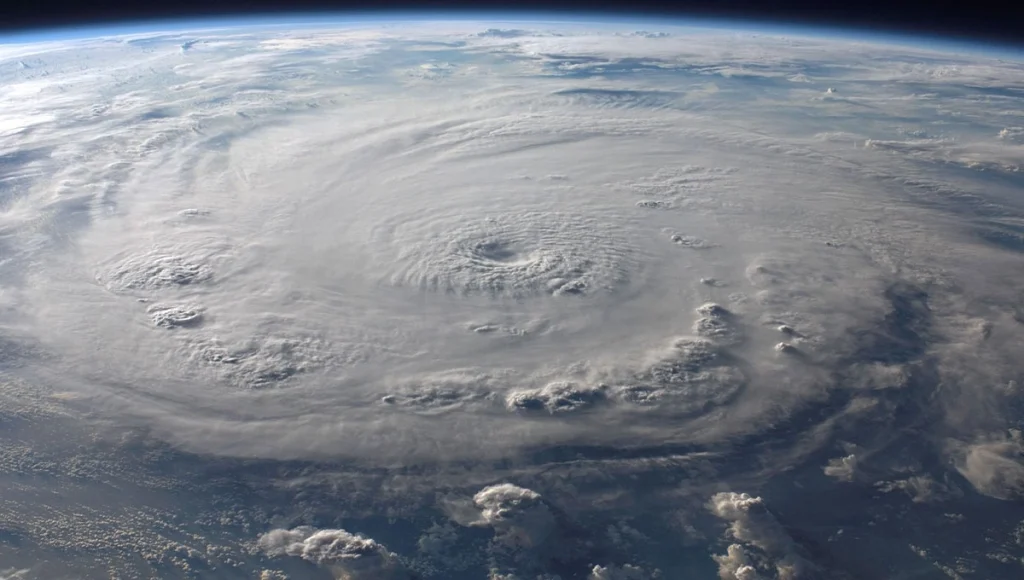
This should be your biggest consideration when moving away from South Florida, as hurricane season can dramatically affect your logistical plans over several months. If you plan to move anywhere from early June to the end of November, you’ll need to mitigate against additional logistical risks. Tropical storms can bring gale-force winds and driving rain, both of which aren’t ideal for moving trucks on an interstate highway. Proceeding during a storm could put your belongings at serious risk of damage.
Look For Weather-Delay Clauses
It’s always good practice to ensure there is a weather-delay clause in place that outlines which storage or logistical fees will be waived in the event of a severe storm. It’s important to comb through these clauses meticulously to ensure there are no hidden surprises on moving day.
Pack Emergency Supplies
A hurricane can hit quickly, leaving you with little time to respond appropriately. In the event of this happening, it’s best to pack an emergency kit that includes a few days of various supplies. This should include required medications, power banks or portable chargers, non-perishable food items, and your most important documents. Keeping these in your personal vehicle allows for quick access in the event that you are delayed.
Plan For Seasonal Traffic Spikes
Every April and May, South Florida experiences a migration as seasonal residents move back to the Northeast and Midwest regions. This creates heavy traffic congestion on northbound interstate routes and also means that movers are generally more booked up during spring. If you’re able to be flexible on your moving timeline, it may be best to plan your move before April. If you have to move in that peak window, be sure to conduct careful planning, considering alternative routes, with a possible delay contingency plan. Keep in mind that reputable long-distance movers are experienced when it comes to traffic fluctuations and finding alternative route options.
Prioritize Humidity-Safe Packing

South Florida boasts high humidity levels throughout the year. A responsible packing protocol always incorporates a risk contingency plan into account. Items that are packed in an air-conditioned environment before being loaded onto a truck can suddenly be subjected to high levels of humidity. This humidity increase can cause trapped moisture to wreak havoc among certain moving items. Damage can include warped wooden furniture, mildew buildup, and even compromised electronic items. Here’s how to protect those items at risk.
Insist On Heavy-Duty Boxes
Thin cardboard boxes are not designed to handle high humidity, often becoming soft and losing their rigidity. A reputable moving company will use heavy-duty, double-walled boxes and ensure they are kept off the floor on moving day. A moving company that takes this precaution communicates an intent to take responsibility for moving your high-risk items as safely and carefully as possible.
Utilize Climate-Controlled Packaging For Fine Art
For those valuable art pieces, it’s recommended to utilize a specialized climate-controlled crate, which will ensure that humidity levels are kept low throughout the move. These crates give you complete peace of mind that your artwork will arrive in the exact condition it was in before the move.
Allow Leather Items To Breathe
Leather upholstery should never be wrapped in plastic wrap alone. Any leather items always require a breathable fabric layer such as moving blankets. These layers guard against the risk of mold growth and unnecessary moisture.
What About HOA Compliance?
With over 45% of all Florida homes being governed by a homeowners association (HOA), there’s a good chance that you’ll need to abide by certain guidelines and requirements when moving. Many HOAs limit moving hours to between office hours and on weekdays only. If you were planning a weekend move, it may be best to check with your HOA beforehand to avoid disappointment.
Service Elevator Limitations
Another consideration is the assumed use of a service elevator. Some apartment blocks prohibit the use of an elevator for moving purposes entirely, whereas others have strict weight and size limits. You may also be required to prove liability insurance in the event of any damage to the elevator.
Loading Dock Requirements
Many condos and apartments have loading height and size restrictions. It’s important to ensure your moving company abides by these requirements to prevent delays or possible damage caused to moving trucks or to structures. Smaller truck crews are often required to manually transport items from a loading dock to the trailer off-site, which adds to logistical fees.
Your Last-Minute Long-Distance Moving Logistical Checklist

Here are four important checks that should always be prioritized right before a move:
1. Secure Important Documents
When moving cross-country, it’s important to ensure you’ve packed all your important documents, including ID’s and passports, that you can store in a mobile file, kept securely in your car during moving day. This ensures continual access while mitigating against any potential loss of documents.
2. Keep The Air Conditioning On
Although it’s tempting to put off the AC in your South Florida home, it’s imperative to keep the air conditioning on to prevent mold buildup around your kitchen and bathrooms. Failing to do this may jeopardize any security deposit you had in place.
3. Watch The Weather
Be sure to keep your eye on the weather patterns several days before your move. If you can see there is a likelihood of a severe storm approaching, you may be able to postpone your move ahead of time, ensuring better logistical adjustments.
4. Discontinue Tax Residency
Finally, when moving states, you’ll need to establish a new domicile in order for income tax and estate planning reasons. You may need to contact your tax accountant to properly document a change of residency and make sure you keep copies of bills and receipts to provide proof of when you left your primary residence.
Your Experienced Long-Distance Movers In South Florida

At Allegiance Van Lines, LLC, we’re highly experienced when it comes to mitigating risk factors during your move. We understand the South Florida climate, and we have extensive knowledge regarding alternative routes and traffic patterns during peak moving season. Allegiance Val Lines ensures the protection of your high-risk possessions by providing humidity-protection packaging. As a family-owned and operated business, we aim to treat every long-distance move as our own with personalized service and effective risk mitigation.
Ready to make your move? Call the long-distance moving experts at 561-210-5120 to plan your move from South Florida.