
Moving With Short Term Storage: How To Bridge The Gap Between Homes
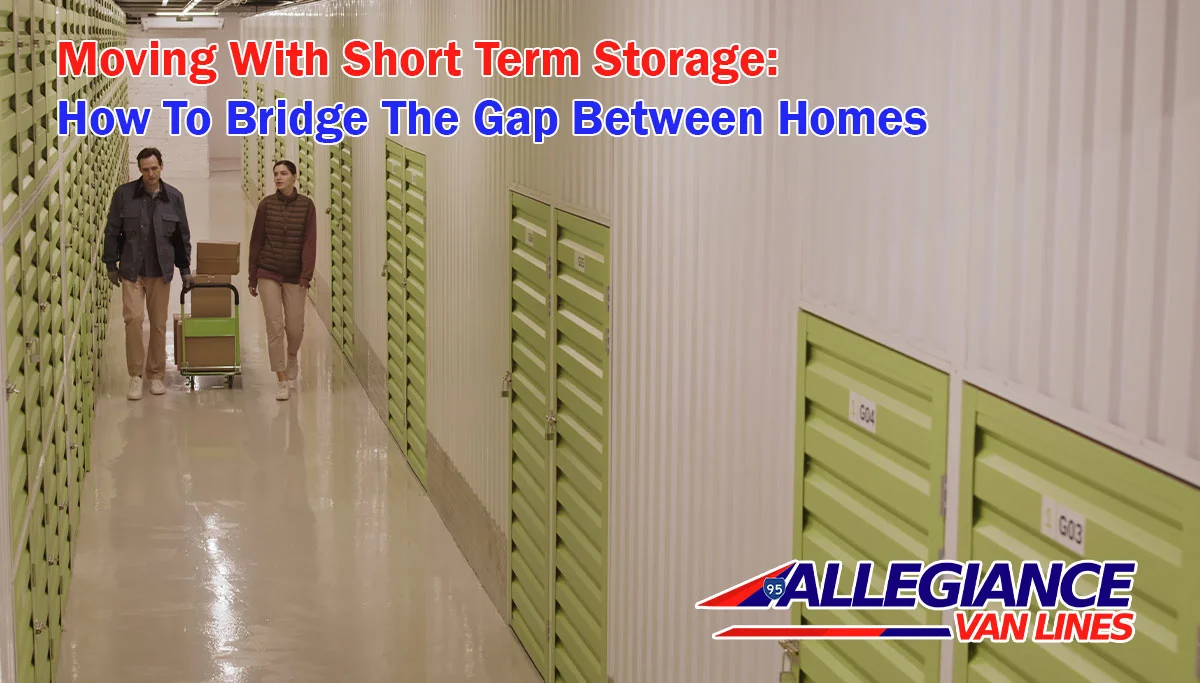
Moving homes can be exciting, but the timing rarely works as seamlessly as you would like. You may have sold your old home before your new one is ready, your lease may end before your new rental begins, or an unexpected delay could leave you with a moving truck full of belongings and nowhere to put them. Moving with short term storage can provide a practical solution, giving you somewhere secure to keep your belongings while you bridge the gap between homes.
How Professional Movers Can Simplify Your Move

Florida moving companies are familiar with the unexpected issues that can cause delays when buying, selling, or renting property. One way to make the process easier is with a two-phase move, which separates moving out of your old home from moving into your new one.
A professional moving company can provide a turnkey solution that takes care of the packing, loading and transportation as well as temporary storage and final delivery to your new home.
Using just one company to manage all the different stages of your move can make the process considerably less stressful.
In a perfect world, you would hand over the keys to your old place and unlock your new front door on the exact same day. The reality is that moving timelines are rarely a perfect match, and just a small delay can leave you needing somewhere to store your belongings if closing dates don’t align.
Why You May Need Short Term Storage

Some gaps between homes can be anticipated and planned for well in advance, while others arise unexpectedly at the last minute.
Reasons why you may need short-term storage:
- Different closing dates between your old home and the new one
- A gap between leases when your existing rental ends before the new one begins
- Planned renovations run late, and your new home is not ready
- Delayed possession caused by a last-minute failed compliance inspection
Planning for these possibilities in advance can give you greater flexibility and prevent a small delay from becoming a major problem.
Unexpected Delays When Moving in Florida
Moving anywhere can involve unexpected delays, but Florida homeowners face some unique challenges.
Weather
Florida weather can be unpredictable, especially during the hurricane season. Hurricanes and tropical storms can cause road closures and halt traffic altogether, disrupting moving schedules.
When a named hurricane or tropical storm enters a certain coordinate close to Florida, your insurance will activate an insurance freeze. In other words, your belongings will not be covered if you move during this time.
This will certainly delay your moving date, leaving you with an unexpected gap between homes. A short-term storage plan will provide a valuable safety net should bad weather disrupt your move.
A Delay or Break in the Property Chain
Being part of a property chain can leave you vulnerable to significant delays. If your purchase depends on the sale of another property going through a problem with that transaction could delay your move.
Chains can involve two or more linked transactions, making them increasingly precarious. If one sale is delayed or falls through, it can have a knock-on effect, holding up everyone else in the chain. Short-term storage enables you to move your belongings from your old home as planned despite not being able to move into your new one.
Failed Inspections
Home inspections may uncover problems that need to be addressed before your property transaction can proceed. Depending on the property, inspections can include areas such as the exterior and roof, the structure and foundations, plus systems and utilities.
In Florida, there may be additional checks for evidence of termites and issues relating to wind mitigation.
If an inspection reveals an unexpected problem, your possession date could be delayed. Having a storage option available means your belongings do not have to become part of the problem.
Homeowners Association (HOA)
Many Florida communities have HOA rules that may affect your moving arrangements. Some rules limit hours when moving trucks can operate. High-rise condominiums may require advance reservation of elevators, loading areas and parking spaces. Planning is essential if your available moving window is restricted.
The Previous Occupants Have Not Vacated the Property
It can happen that you are ready to move into your new home to find that the old occupants have not yet left. This may be because the proceeds from a previous transaction have been delayed or a holdover tenant is refusing to leave. Other reasons may be that the occupants have greatly underestimated their packing time, their moving van is late, or there could be an unexpected personal emergency.
Whatever the reason, you may find yourself with a fully loaded truck and nowhere to put your belongings.
How a Two-Phase Move Works
Opting for a two-phase move will reduce the pressure of trying to achieve a ‘move in’ and ‘move out’ on the same day. Instead, your move is divided into two stages, allowing you breathing space to deal with unexpected delays.
Phase One: Moving out
During phase one, your movers pack your belongings, load them onto the moving vehicle, and transport them to short term storage or another secure holding facility while you and your family move to your temporary or ‘gap’ accommodation while you wait for your home to become available.
Phase Two: Moving in
Once you are able to move into your new home, your movers will retrieve your belongings from storage and deliver them to your new address.
This gives you greater flexibility over the timing of your move and allows you to deal with unexpected delays without having to keep all your belongings with you.
Temporary Gap Accommodation
If you know there is likely to be a gap between homes, finding suitable temporary accommodation will be one of your priorities.
When searching for your gap accommodation, ask your rental agent about properties where the lease can be extended if your new home is not ready when expected. This can give you valuable flexibility if your moving date changes.
It is also worth discussing the non-negotiables for your temporary accommodation with your family. Make these conditions clear to your real estate or rental agent.
For example, you may require:
- Child- and pet-friendly accommodation
- A park within walking distance
- A nearby hospital
- A swimming pool
- Private parking
- Accessible public transportation
- Nearby schools
- An elevator
- Shops and restaurants within walking distance
Remember that temporary accommodation may be smaller than either your old or new home, so think carefully about what you really need during the gap period.
How to Pack for a Two-Phase Move

A two-phase move requires some additional planning because you will need to separate the belongings you will need during your temporary stay from everything that is going into storage.
Before you start packing, identify what you will need in your gap accommodation. This prevents you from having to search through boxes in storage for everyday essentials. Bear in mind that your temporary stay may last longer than expected, so it is better to be prepared.
Phase One Packing
Create a separate collection of boxes containing everything you are likely to need while living in temporary accommodation. To avoid packing unnecessary items, check what your temporary accommodation provides. Consider that your ‘gap space’ is most likely to be smaller than your old or new home. Take only what you need to reduce clutter.
This might include:
- Passports, ID’s and other vital documents
- Sufficient medication and any special dietary items
- Some microwave meals, coffee and tea
- Travel mugs and a flask
- Toiletries and laundry detergent
- Enough clothing including swimwear for whole family
- Phone, laptop, kindle chargers and streaming devices
- Baby items, toys and school essentials
- Work essentials
- Pet food and accessories
Don’t forget to arrange for your mail to be forwarded to your temporary address if necessary.
Phase Two Packing
Everything else can be packed for your new home and placed in storage until you are ready for delivery.
If possible, obtain a floor plan of your new home before moving day. Knowing the dimensions of each room will help you decide where larger pieces of furniture should go.
Plan where your furniture and boxes will be placed before they arrive. This makes unloading much easier for both you and your movers.
It is also a good opportunity to declutter. Sell, donate, or give away anything you no longer need or want before it is packed and transported to your new home.
Clearly label every box with the room where it belongs, such as “Dad’s study,” “Bathroom Two,” “Kitchen” or “TV room.” This will make unpacking considerably easier.
Don’t Forget Your First-Day Boxes
First day boxes are a lifesaver. After a long day moving, the last thing you want to do is open dozens of boxes looking for towels, teabags or toilet rolls. Keep the things you will need immediately easily accessible.
These may include:
- Bedding and towels
- Shower gel and shampoo
- Toilet paper
- Toaster, coffee pot, microwave
- Tea, coffee, juice, milk, cereal
- Dish cloths, dishwashing liquid
- Basic cleaning materials
- Plates, mugs, bowls, and cutlery
- Snacks, microwave meals
- A Pot, frying pan, and cooking utensils
Having these essentials at hand means you can settle into your new home without immediately having to unpack the entire household.
Moving with Short Term Storage in Florida
Moving dates do not always go according to plan, but a delay does not have to derail your entire move. Moving with short-term storage gives you the flexibility to move your belongings out of your old home while you wait for your new home to be ready.
If you are moving with short term storage, Allegiance Van Lines in Pompano Beach offers 30 days of free storage with every move, giving you that added safety net when your moving dates don’t quite line up. If you know there may be a gap between homes, let us know when requesting your moving quote.
We can help you plan your move, guide you to the right storage solution, and deliver your belongings to your new home when it suits you. Ready to plan your move? Contact Allegiance Van Lines today at 561-210-5120 for a free quote.